
Why Exercise Is So Important for Dogs? Are you providing the right amount of exercise for your dog? The amount of exercise a dog needs daily depends on their breed, age, size, and overall health. Why exercise is so important for dogs? Dogs need exercise daily! Along with ensuring your dog gets the proper amount of exercise each and every day there are some key points to consider. Most people don’t know that Mental Stimulation is also exercise. You can combine physical activity with mental games (like training or puzzles) to tire your dog effectively.
Does your dog have any Health Conditions? If so, no worries, simply adjust activity levels based on any medical conditions. Consult your vet for personalized recommendations. Be sure to monitor your dog for any Signs of Fatigue . Watch for heavy panting, lagging behind, or reluctance to continue, and stop when needed. By balancing physical exercise and mental enrichment, you’ll ensure your dog stays happy, healthy, and well-behaved! 🐾
“A dog’s body needs to be worked to keep them healthy, and their mind needs to be challenged to keep them balanced.”
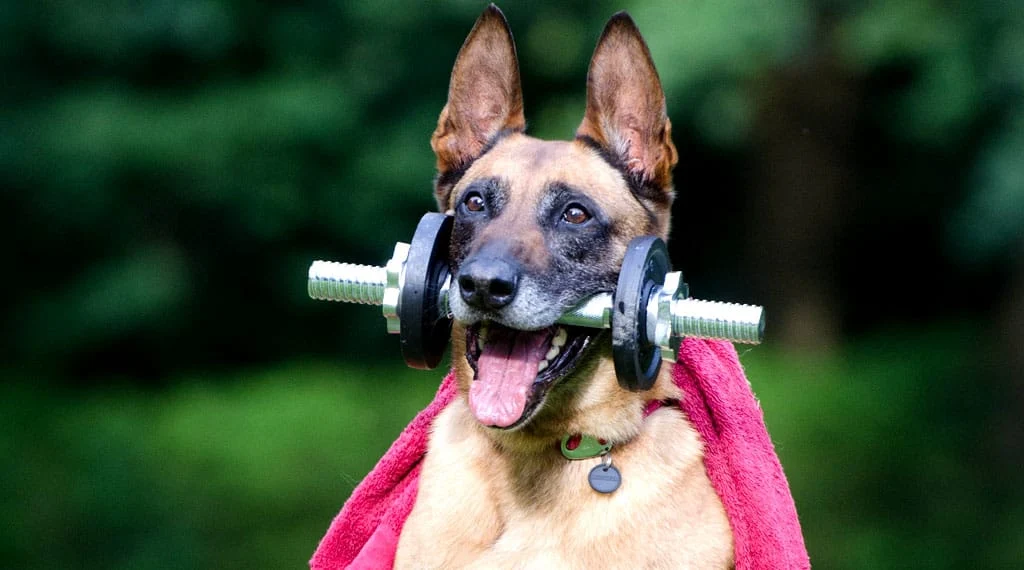
HOW MUCH EXERCISE DOES YOUR DOG NEED?
Why Exercise Matters for Dogs
Dogs weren’t bred to lie around all day. Whether your pup comes from a line of working, hunting, or companion dogs, they need outlets for their energy. Without them, frustration builds up—and that often shows up as barking, chewing, or biting. Exercise isn’t just about keeping your dog fit; it’s the foundation for a balanced, calm, and happy life. Physical exercise keeps a dog’s body strong, prevents obesity, and burns off excess energy that otherwise turns into unwanted behaviors. Depending on the breed and age, physical exercise might mean a number of things such as:
- Walks: Daily structured walks build routine and discipline hence creating a more balanced dog.
- Fetch or Tug Games: Great for bonding and cardiovascular activity.
- Running or Hiking: Perfect for high-energy breeds like Huskies or Shepherds.
- Swimming: A low-impact option, especially good for large breeds and seniors.
Benefit: A physically tired dog is less likely to jump, nip, or destroy things around the house.
Mental Exercise: The Hidden Key
Many owners focus only on physical exercise, but mental stimulation is equally important. Dogs are problem-solvers at heart. If we don’t challenge their brains, they’ll invent their own entertainment—like getting into the trash or chewing furniture. Ways to add mental stimulation include:
- Puzzle Toys: Stuffed Kongs, treat-dispensing balls, or snuffle mats.
- Obedience Training: Short sessions that teach commands, thus reinforces focus.
- Scent Games: Hide treats around the house or yard and let your dog “hunt.”
- Agility or Trick Training: Engages both body and brain.
Benefit: Mental exercise helps reduce anxiety, builds confidence, and creates a calm dog that can settle indoors.
The Balance: Physical + Mental = Calm Dog
Think of exercise as a two-part formula. Although Physical activity drains the body’s energy, while mental activity satisfies the mind. Together, they prevent boredom and destructive behavior.
For example:
- A 30-minute walk (physical) followed by a 10-minute puzzle toy session (mental) is far more effective than just walking for an hour.
- Puppies especially benefit from this mix since too much physical activity can harm growing joints, but mental games tire them out safely.
Without exercise a number of behavior problems can evolve becoming worse such as Excessive barking, digging, chewing, and biting. There are health risks as well, Your Dog can suffer from obesity, joint issues, and poor cardiovascular health. Not only physically, but it can play an emotional impact of your dog as well resulting in Anxiety, frustration, and even depression.
Summary, At Behavior Boss, I help owners build routines that channel energy into calm, confident behavior. If your dog is showing signs of frustration or unwanted habits, it may be time to balance their physical and mental exercise. Together, we can create a plan that works for both of you.
HOW MUCH EXERCISE DOES YOUR DOG NEED?
Small Breeds:
Time: 30–45 minutes
Examples: Chihuahuas, Pomeranians
Activities: Short walks, indoor play, or light games
Medium Breeds:
Time: 1–2 hours
Examples: Cocker Spaniels, Border Collies
Activities: Walks, fetch, and mentally stimulating games.
High-Energy Breeds:
Time: 2+ hours
Examples: Huskies, Australian Shepherds, Jack Russell Terriers Activities: Running, hiking, agility training, or intense play.
Large Breeds:
Time: 1–2+ hours
Examples: Golden Retrievers, Labradors, German Shepherds Activities: Long walks, running, swimming, or vigorous play
Senior Dogs:
Time: 20–45 minutes (low-impact)
Activities: Gentle walks, light play, and mental enrichment
Puppies: Time: 5 minutes per month of age, 2–3 times a day.
Example: A 4-month-old puppy = 20 minutes per session Activities: Short walks, playtime, and basic training